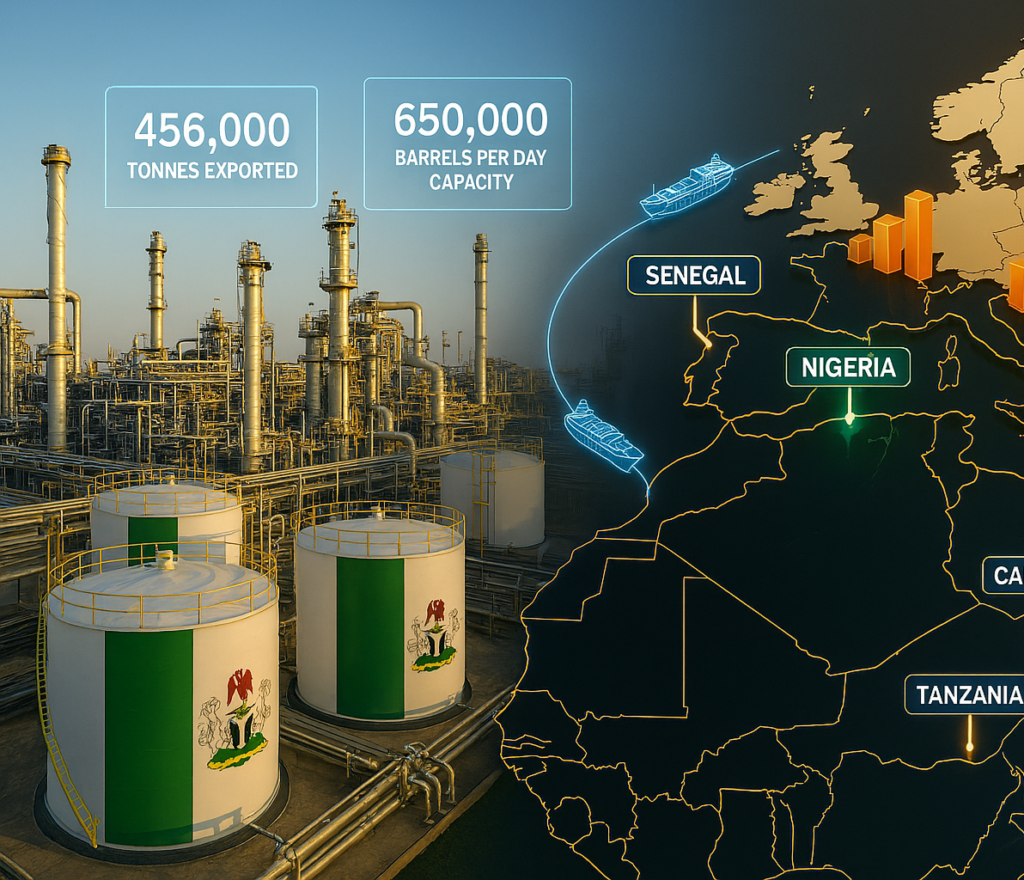
The continent’s largest refinery is reshaping regional energy trade as geopolitical tensions force African nations to look inward for fuel security.
The Dangote Refinery in Nigeria is experiencing unprecedented demand from African governments seeking alternative fuel supply channels amid mounting global disruptions. At the centre of this energy realignment is the blockade of the Strait of Hormuz, linked to ongoing tensions involving Iran. This critical chokepoint disruption has sent shockwaves across global fuel markets, triggering shortages as far afield as India and Japan. For Africa, the crisis has exposed the vulnerabilities of long-distance supply chains and accelerated the search for regional alternatives.
South Africa Negotiates Landmark Supply Deal
East and Southern Africa are particularly vulnerable, with about 75% of refined fuel imports coming from the Middle East, creating supply risks during conflicts or shipping disruptions. Recent fluctuations in oil prices have heightened these concerns.
African governments are strategically diversifying procurement. South Africa is reportedly in talks with the Dangote Refinery for a 12-month supply contract, marking a significant shift away from its traditional suppliers.
Recent export distributions show a clear market strategy across West, Central, and East Africa:
- West Africa: Established trade relationships and logistics infrastructure
- Central Africa: Emerging markets with rising energy demand and limited refining capacity
- East Africa: High import dependency, leading to supply vulnerabilities
The Free on Board trading mechanism at the Nigerian port transfers pricing and logistics responsibilities to buyers, allowing them to manage transportation costs and delivery schedules effectively.
Africa’s Energy Reorientation
The current crisis is catalysing what energy analysts are calling a historic pivot: Africa is beginning to re-route its energy dependency inward. Countries in East and Southern Africa, historically reliant on Middle Eastern refined fuel, are now turning to regional refining capacity to secure their energy needs.
Market Impact and Economic Pressure
The disruption has triggered significant market volatility with tangible consequences across the continent:
- Oil prices have surged by over 40%, dramatically increasing import bills across African economies.
- Freight and insurance costs are rising as geopolitical risk premiums escalate
- Fuel shortages are emerging in import-dependent economies, threatening economic stability
- Dangote Refinery is now positioned as a price stabiliser and supply anchor for the region
Strategic Implications
The current crisis carries profound strategic significance for Africa’s energy future:
- Africa’s largest refinery becomes a continental energy backstop, providing critical supply security during global disruptions
- Governments are accelerating energy security diversification strategies, reducing exposure to volatile international markets
- The shift from crude export to intra-African refined product trade is gaining momentum, keeping value addition within the continent
- The case for regional value chains under the African Continental Free Trade Area (AfCFTA) is strengthening with each passing day
Tags: Energy Security, Dangote Refinery, Africa Rising, Oil Markets, Geopolitics, AfCFTA, Nigeria, Global Trade